
Heat Pump vs Traditional Furnace in North Georgia Homes: Which Heats Better?
Choosing between a heat pump and a traditional furnace is a big decision for North Georgia. Our winters are cool with a few sharp cold snaps, and summers are long and humid. That mix makes the “right heat” about more than raw temperature. It is about comfort, energy use, and how your home in Loganville, GA, actually feels day to day.
If your system is acting up, start with a professional assessment. A timely visit from a Loganville heating specialist can tell you whether a heat pump repair is all you need or if it is time to consider a different path. Below, we break down how each system performs in our area so you can choose with confidence.
What Our North Georgia Climate Means For Heat
Most Loganville homes see mild winter afternoons and cold nights, with a handful of mornings that flirt with freezing. Spring and fall bring wide temperature swings, and summer humidity lingers into September. That pattern favors equipment that adapts well and maintains steady indoor comfort without big temperature spikes.
Electricity is common across Gwinnett and Walton counties, while some homes also have access to natural gas or use propane. The utility mix matters because heat pumps run on electricity, and furnaces typically use gas or propane. Understanding your fuel options helps frame the choice.
How Heat Pumps Work In North Georgia Homes
Heat pumps move heat rather than create it. In winter, they pull heat from outdoor air and transfer it indoors. Because moving heat uses less energy than making it, heat pumps can be very efficient in our mostly moderate winters. When the thermometer dips, modern variable-speed models still do well, though extreme cold can reduce output and may trigger auxiliary heat.
Comfort is where heat pumps shine. They run longer, gentler cycles that even out temperature and humidity. Many homeowners notice fewer hot-and-cold swings and quieter operation. For year-round value, a single heat pump also provides cooling when summer cranks up, which is a big plus for Loganville’s humidity.
North Georgia can see brief cold snaps that cause outdoor units to freeze. That is normal during defrost cycles. Avoid covering the outdoor unit and keep vegetation trimmed back so air can move freely.
How Traditional Furnaces Perform
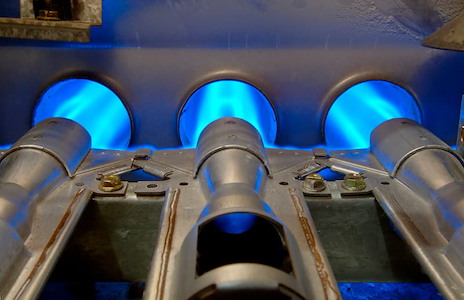
Furnaces make heat by burning fuel, then push that heat through ducts. Gas and propane models deliver a strong, toasty supply air that feels warm to the touch. On the coldest mornings, a furnace’s higher supply temperature can recover room comfort fast.
Because furnaces generate heat, they are less sensitive to outdoor temperature drops. That makes them reliable during those rare North Georgia arctic blasts. If your home already has gas service and a sound duct system, a furnace can be a straightforward fit. Pairing a furnace with a modern thermostat and good filtration also helps air circulate evenly.
Head-To-Head: Heat Pump vs Furnace For Loganville, GA
- Typical Winter Comfort: Heat pumps offer steady, even warmth during most North Georgia days. Furnaces feel hotter at the vents and recover rooms quickly after setbacks.
- Cold Snap Performance: Furnaces hold output during very cold spells. Heat pumps keep up in most conditions but rely on auxiliary heat when temperatures drop lower.
- Year-Round Use: Heat pumps heat and cool with one system. Furnaces heat only, so you still need an air conditioner.
- Noise and Feel: Heat pumps tend to be quieter and smoother. Furnaces cycle on and off with stronger bursts of warm air.
Bottom line: For most Loganville days, a heat pump balances comfort and efficiency, while a furnace’s high heat output shines during the handful of bitter mornings we get each year.
Comfort, Noise, And Indoor Air Quality
Comfort is more than thermostat numbers. Heat pumps often run longer at lower speeds, which helps with humidity control and reduces temperature swings. Furnaces produce hotter air, yet may create brief warm bursts followed by cool-downs if ductwork or insulation is not ideal.
Noise levels differ, too. Many heat pumps use variable-speed compressors and fans that ramp up and down quietly. Modern furnaces with variable-speed blowers can be quiet as well, though the burner and higher airflow are still noticeable during start-up.
Air quality depends on filtration, duct design, and maintenance. If dust or allergens bug your family, consider upgraded filtration or whole-home solutions that integrate with your system and your indoor air quality services plan. Keeping ducts sealed and filters changed on schedule supports both systems.
Energy Use And Sustainability
Because a heat pump moves heat, it can reduce energy use during typical North Georgia weather. In very cold weather, auxiliary heat may come on, which increases electrical demand. Furnaces rely on fuel and can be efficient as well, especially with modern high-efficiency models. Your actual results depend on home size, insulation, windows, and thermostat habits.
If lowering your carbon footprint is a priority, a heat pump paired with efficient ductwork and smart controls is a strong pathway. Some homeowners with gas access still prefer a furnace for the hottest supply air. Either way, proper sizing and commissioning are essential for the efficiency you expect.
Which System Fits Your Home?
Every house in Loganville tells a different story. A smaller, well-insulated ranch may thrive on a right-sized heat pump. A larger two-story with older windows might feel better with a furnace, or a hybrid approach. The age of your duct system, insulation levels, and where equipment can be placed all influence the call.
If you are planning upgrades, talk with Mobley Heating and Air about your goals and your current setup. We offer full heating services that consider comfort, efficiency, and how you use each room. A short in-home review will reveal what makes the most sense for you and your family.
When A Hybrid System Makes Sense In North Georgia
A dual-fuel or hybrid setup combines a heat pump and a gas furnace. The heat pump handles most days for efficiency and comfort. When temperatures dip below a set point, the furnace takes over for stronger heat. This approach fits homeowners who want smooth, efficient comfort for 90 percent of the season with extra muscle during cold snaps.
Pro tip: If you are debating hybrid, consider your utility rates and the age of your existing equipment. Matching components and controls properly is crucial so the system switches at the right time for comfort and savings.
What Homeowners Should Watch For Each Season
- Early Winter: Listen for unusual noises and watch for uneven room temperatures. Schedule service if the system short-cycles or runs constantly.
- Mid-Season Cold Snaps: Expect longer run times. Heat pumps may defrost briefly, which is normal. Furnaces should start cleanly without soot or odors.
- Late Winter To Spring: As temperatures swing, avoid frequent thermostat changes that cause big comfort swings. Let your system settle into a steady rhythm.
Good to know: Comfort complaints are often duct or control issues rather than equipment failure. A proper checkup can solve hot-and-cold room problems without replacing the whole system.
Local Factors That Can Tip The Decision
Loganville neighborhoods vary in age, insulation, and access to gas. Homes on acreage may rely on propane, while others have natural gas service. The presence of a bonus room over a garage or a large sunroom can influence equipment sizing and airflow needs. Shade, attic ventilation, and how many people are home during the day matter too.
Think about lifestyle. If your household prefers a steady 70 degrees, a variable-speed heat pump can hold a narrow comfort band with fewer ups and downs. If you like to set back the thermostat at night, a furnace may recover faster on frosty mornings. There is no one-size solution, only what fits how you live.
What About Cooling Season And Humidity?
North Georgia summers put any system to the test. Heat pumps serve as your air conditioner in summer, so the same equipment that heats will also manage humidity and cooling. If you choose a furnace for winter heat, you still need a matched air conditioner for summer. Either path works, but proper pairing and sizing protect comfort and efficiency when humidity spikes.
For many families, the deciding factor is comfort across all twelve months. If you want a single piece of equipment to heat and cool, a heat pump keeps things simple. If you prioritize the warmest supply air on the coldest mornings, a furnace may feel best.
How To Decide With Confidence
Start with a load calculation, duct evaluation, and a clear look at your energy bills. Then set goals for comfort, noise, and future upgrades. This heat pump vs traditional furnace guide is a good framework, and our team can fine-tune it to your rooms, insulation, and lifestyle.
Safety reminder: Any sign of fuel odor, repeated breaker trips, or scorch marks near equipment needs attention from a licensed pro. Do not ignore warning lights or unusual smells around your system.
Ready For Reliable Heat In Loganville?
Whether you are leaning heat pump, furnace, or a hybrid approach, Mobley Heating and Air is here to help you decide with clarity. If your system is struggling or due for service, schedule a quick visit so we can assess performance, airflow, and controls. For fast help, call 844-777-8228 or book online. If you already know where the issue is, request expert furnace repair, and we will get your heat back on track the right way.
Choosing the right system is about comfort, so you can feel warm all winter without wasting energy. We help Loganville homeowners find that balance, and we stand behind our work. When you are ready, reach out to Mobley Heating and Air for trustworthy guidance and a plan that fits your home.
If You Are in Need of Professional Air Conditioning or Heating Services, Then Please Call 844-777-8228 or Complete Our Online Request Form.